
The FREEDOM ROUTE IN KZN
Our Freedom Route promotes the struggles of the main freedom icons of this province such as Mahatma Gandhi, John Langalibalele Dube, Alan Paton, Albert Luthuli, Nelson Mandela and other heroes that have helped shape South Africa.
Visitors will gain an amazing insight into the freedom struggles of the Past, the Present and the Future and will ensure a deep appreciation of all the endeavours and perseverance of the wonderful people of KwaZulu Natal.
The freedom nodes around Durban include the KwaMuhle Museum, Cato Manor and other townships around Durban, the Inanda Heritage Route, which includes Mahatma Gandhi’s Phoenix Settlement and Dr John Dube’s Ohlange Institute, and the Luthuli Museum in Groutville.
The freedom nodes around Pietermaritzburg include the Pietermaritzburg Train Station, The Old Prison, Edendala and Mbali Route. the Gandhi Statue, the Alan Paton Centre, Sobantu Township, Manaye Hall and the Nelson Mandela Capture site near Howick.
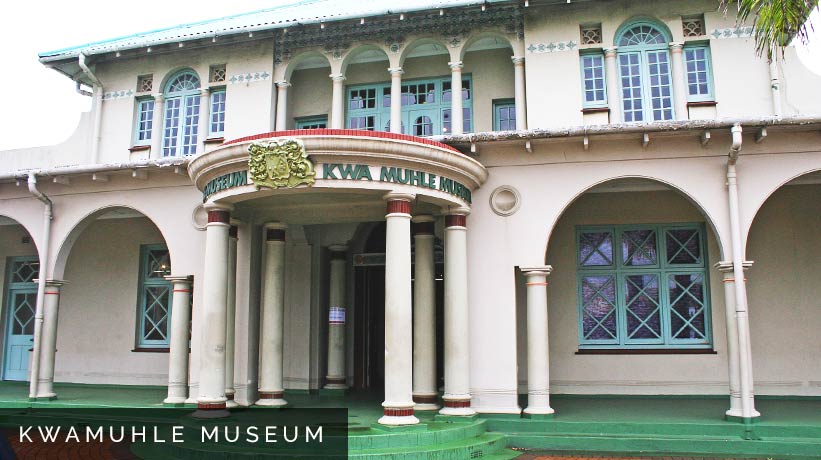
KwaMuhle Museum
This building, once the headquarters of the City’s infamous Native Administration Department and the center of Durban’s harsh system of labour control, has been transformed into a museum.
Visit the KwaMuhle Museum and discover what life was like in and around Durban during and leading up to the apartheid era. Ponder over the exhibits, which include photographic prints of township life, and reflect on the contributions of the ordinary people who laid the foundations of Ethekwini’s development as one of Africa’s leading cities.
The Museum hosts a number of permanent and temporary exhibitions.
A major attraction at the Museum is an exhibition entitled ‘The Durban System’ which is comprised of well-researched texts, black and white photographs and a themed environment, which work together to detail this form of urban control. This system consisted of ‘influx control’, a municipal monopoly on the production of Zulu beer, the creation of beer halls and the creation of segregated accommodation.
Cato Manor area
The township was named after Durban’s first Mayor, George Christopher Cato. In 1843 the land which later became Cato Manor, was given to him as compensation for another portion of land previously used for military purposes. It was also intended as a reward for his years of personal dedication to community service and recognition as Durban’s first Mayor in 1865.
Inanda
Inanda lies 30km north-west of Durban’s CBD. While many might pass the area on the way to and from airport or northern suburbs, it features a wealth of resistance history.
There is much to explore in Inanda and below are just a few of the many attractions and historical sites for visitors to experience on the heritage trail.
- The Inanda Heritage Route is certainly worth visiting if you have a penchant for history and want to learn more about KwaZulu-Natal’s rich historical past. The Route includes some of the most important, but little-known historical sites of Durban, including the place where Mandela cast his first democratic vote in 1994.
- Phoenix Settlement and the Gandhi Trail
The Inanda Heritage Route begins at the Phoenix settlement, and guests can visit Gandhi’s home, his International Printing Press, and the museum. In 1904, Mohandas Karamchand Gandhi established a small, village-style settlement known as Phoenix. Gandhi had moved to South Africa in 1893 to legally represent an Indian client and soon experienced the racism and intolerance that characterised the colonial state. Despite facing violence and abuse he continued to rally against the colonial state and even volunteered in the Boer War, creating a team of Indian stretcher bearers.
His relocation to Phoenix marked a change in his outlook, and it was here he embarked on a life of: ‘communal living, non-possession, interfaith harmony, simplicity, environmental protection, conservation, manual labour, social and economic justice, non-violent action, principles of education and truth.’
In 1903 he started a newspaper, the Indian Opinion and in 1904 moved the printing press to Phoenix. Visitors can see the original press that was used to print the original publication.
- Ohlange Institute and John L. Dube’s house and grave
Next heritage trail, visitors can explore the historical Ohlange Institute. This was the first school to be founded by a black person in South Africa. It was established in 1900 by John Dube – who went on to become the first president of the ANC – and his first wife Nokutela. This space is also of great historical importance as it was where Madiba cast his historical vote during South Africa’s first democratic elections on April 27th, 1994.
- Inanda Seminary
A place of many firsts, this route also includes Inanda Seminary. It was established in 1869 by American missionaries (Lucy and Daniel Lindley) and it the first “secondary school for African girls”. It catered to the daughters of the amaKholwa, the mission-educated elite, and remained a popular boarding school until the 1980s when previously ‘whites only’ schools began opening their doors to all races.
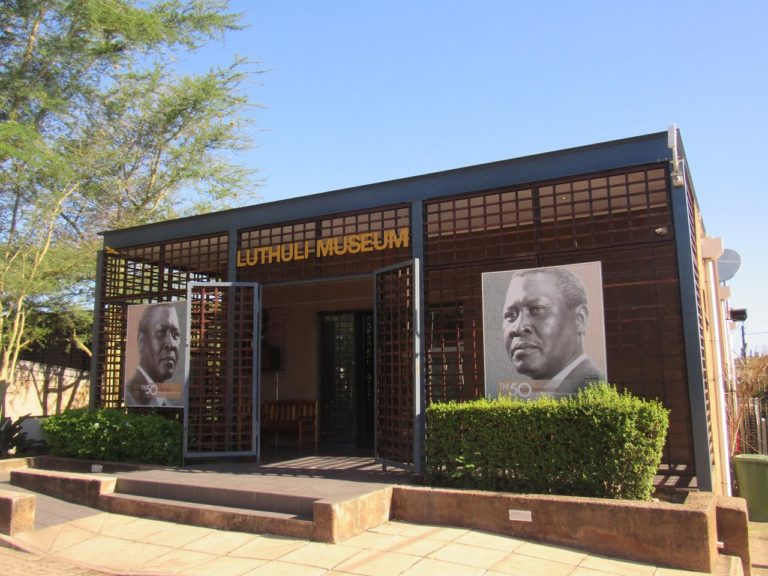
- Luthuli Museum
Chief Albert Luthuli was awarded the 1960 Nobel Peace Prize for his leadership role in the non-violent struggle against apartheid. This freedom fighter and humanitarian, left a legacy and praiseworthy contributions to freedom, which will resonate for generations!
Luthuli was passionate about education and he strongly advocated that education should be equal and available to all Africans. It should be liberal and not merely vocational in nature.
In 1945, Chief Albert Luthuli joined the ANC (African National Congress). His great leadership acumen led to his election as the leader of the ANC in Natal and ultimately the President-General of the ANC. He was steadfast about the vision of the ANC and very principled in the fight against the oppressive regime. He was always democratic and consulted his people before any decision was be taken.
In 1955 and again in 1958, Luthuli was re-elected as president of the ANC and played a pivotal part in implementing the Defiance Campaign, the name given to non-violent protest against apartheid.
He was arrested for high treason in 1956. On 21 July 1967 Luthuli was killed, reportedly when he was struck by a train close to his Natal Home. The Luthuli house, where Luthuli was also confined to for several years whilst under ban and was also visited by US Senator Robert F Kennedy, in 1966, is now the Chief Albert Luthuli Museum.
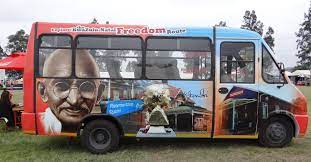
KZN Freedom Route Tour Bus – the Pietermaritzburg Howick Story… Four iconic attractions, unique to Pietermaritzburg and Natal Midlands, relate and reveal how these special spots influenced culture, recorded heritage, changed history, shaped the world.